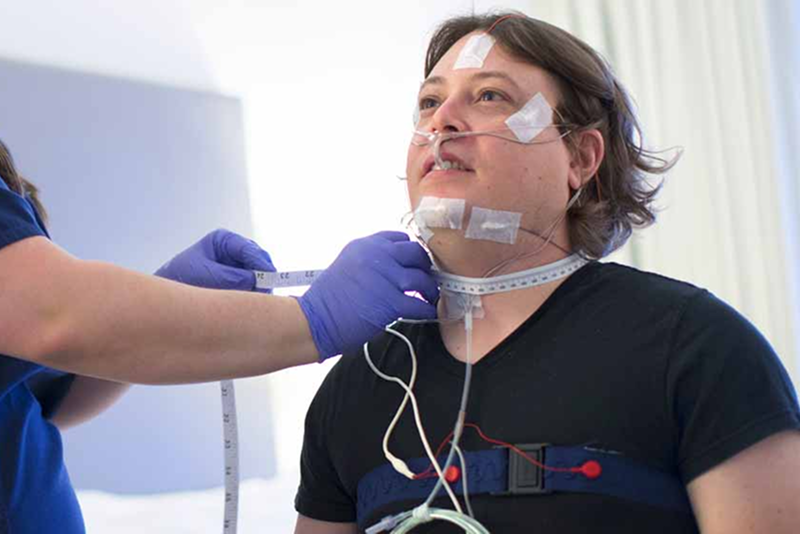
Sleep apnea is a potentially serious sleep disorder in which breathing repeatedly stops and starts. The most common signs and symptoms of obstructive and central sleep apneas include:
Loud snoring, which is usually more prominent in obstructive sleep apnea
Episodes of breathing cessation during sleep witnessed by another person.
Treatments for obstructive sleep apnea may include: Continuous positive airway pressure (CPAP) Continuous positive airway pressure (CPAP), Expiratory positive airway pressure (EPAP), Oral appliances and surgery.
Sleep apnea is a condition where a person’s breathing stops and starts repeatedly during sleep. It can cause loud snoring, daytime fatigue, and even serious health problems if left untreated.
Oral Appliances: Dentists can fit patients with oral appliances, also known as dental devices, that are worn during sleep to help keep the airway open. These appliances are custom-made to fit comfortably in the mouth and can be an effective treatment for mild to moderate sleep apnea.
CPAP Therapy: Continuous Positive Airway Pressure (CPAP) therapy is another common treatment for sleep apnea. It involves wearing a mask connected to a machine that delivers a constant flow of air to keep the airway open during sleep.
Lifestyle Changes: In addition to oral appliances and CPAP therapy, making lifestyle changes such as losing weight, avoiding alcohol and sedatives before bedtime, and sleeping on your side instead of your back can also help alleviate sleep apnea symptoms.
Surgery: In severe cases of sleep apnea where other treatments have been unsuccessful, surgery may be necessary to remove excess tissue from the throat or reposition the jaw to open up the airway.
If you suspect you have sleep apnea, it’s essential to consult with a qualified dentist or sleep specialist for an accurate diagnosis and appropriate treatment plan. Effective treatment can improve your sleep quality, overall health, and quality of life.
Sleep apnea can be effectively managed, and some cases can improve with lifestyle changes or surgery. Continuous treatment is often necessary to prevent complications.
Diagnosis usually involves:
Medical and sleep history evaluation
Sleep studies (polysomnography)
Home sleep tests in some cases
Yes. Children may develop sleep apnea due to enlarged tonsils, obesity, or nasal obstruction. Early diagnosis and treatment are important.
CPAP therapy works immediately once used consistently. Other treatments like oral appliances or surgery may take weeks to months for full effectiveness.
leep apnea may be caused by:
Obstructed airway (obstructive sleep apnea)
Nervous system problems (central sleep apnea)
Obesity, enlarged tonsils, or anatomical differences
Alcohol, smoking, or certain medications
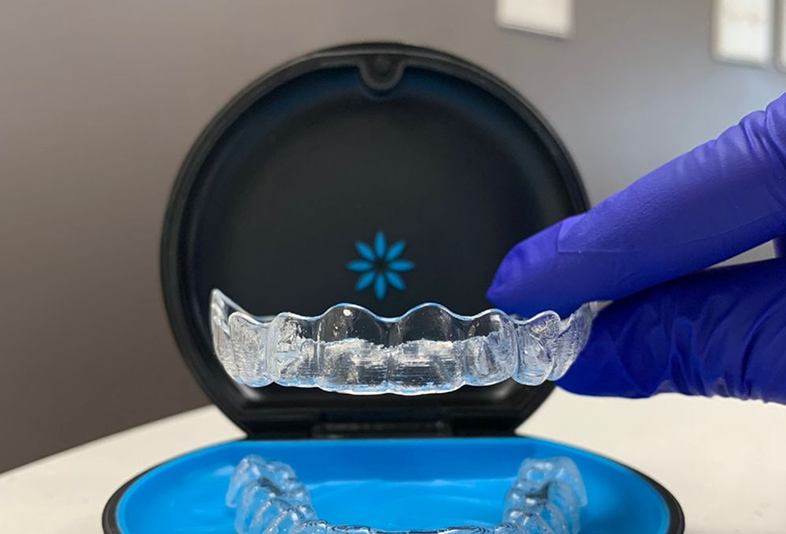
Invisalign is a special way to straighten your teeth without using traditional metal braces.
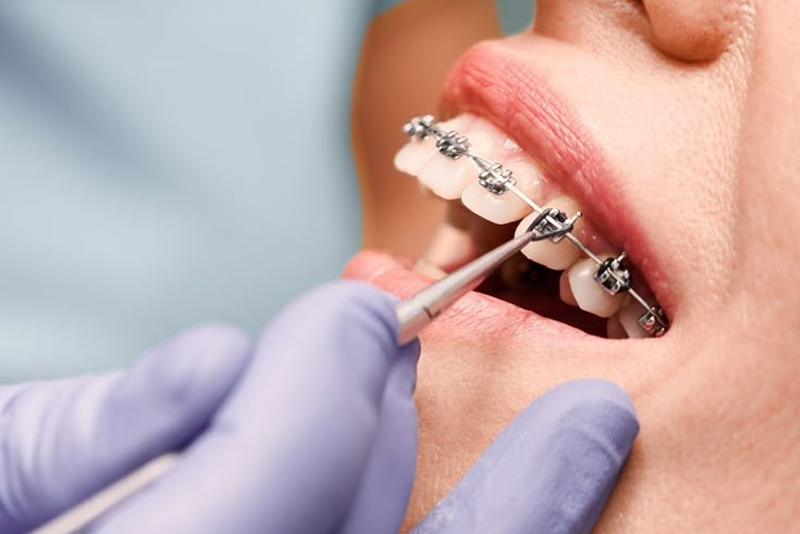
Dental braces (also known as braces, orthodontic braces, or braces) are devices used in orthodontics
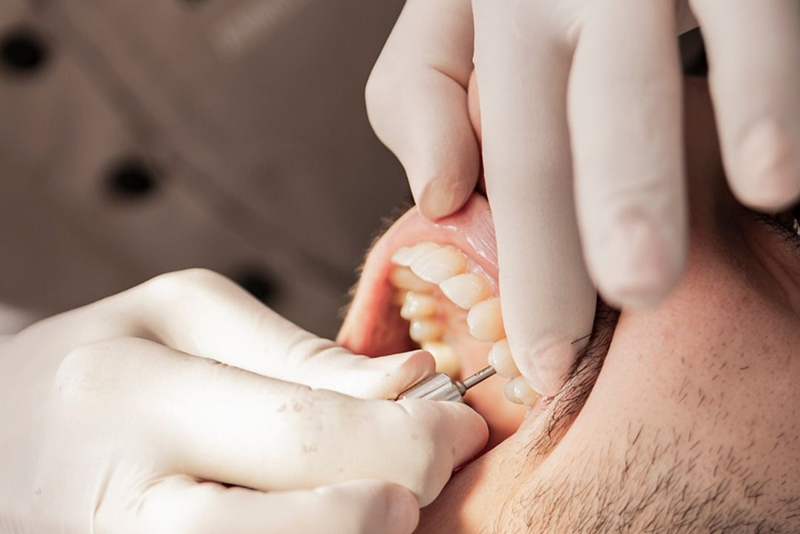
Dental Implants – The most precious gift to humankind from modern dentistry.
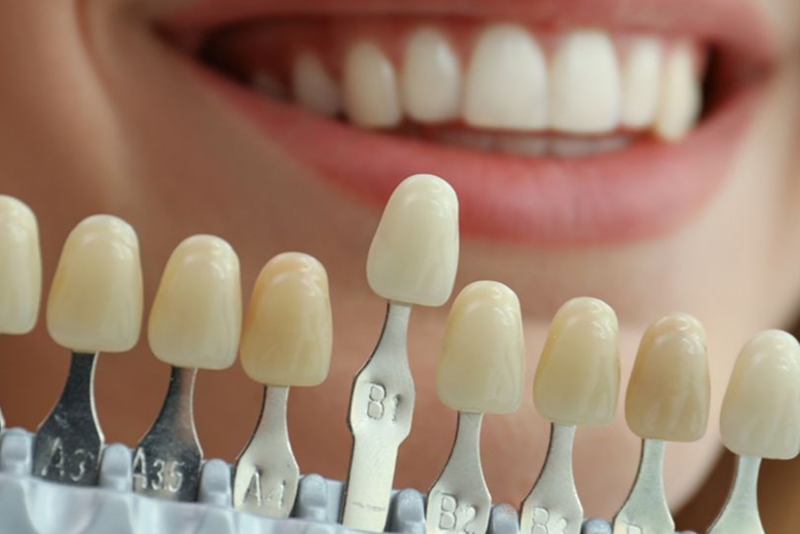
Veneers are ultra-thin, custom made porcelain/ composite shells that are bonded to the front side of teeth.
Providing world-class dental care in Ahmedabad, India.
Led by a Specialist Gold medallist Orthodontist and Prosthodontist. we offer expert treatments in Invisalign, braces, veneers, and dental implants.
Your smile, our priority.
Our Services
© 2026 All Rights Reserved by Anant dental clinic orthodontic & implant center